

Favourite Dishes to Try in Masai Mara: A Culinary Journey into Kenya’s Wild Heart
When Indian travellers think of the Masai Mara safari experience, food rarely comes to mind first. Wildlife does. Landscapes do. The rhythm of early mornings and golden sunsets does. Yet, for travellers who have experienced the Mara well—or planned it carefully—meals become part of the memory in a quieter, more personal way.
The Masai Mara is not a destination of cafés or food trails. Dining happens almost entirely within lodges and camps, often in remote settings where logistics shape cuisine as much as tradition. Understanding this context is key. Food here is not designed to impress through novelty; it exists to nourish, comfort, and gently connect you to Kenya’s culture while supporting the demands of safari life.
This guide explores the dishes Indian travellers are most likely to encounter in the Mara, what they represent culturally, and how they are adapted within luxury safari camps—written from the perspective of those who plan safaris regularly and understand how food, comfort, and planning intersect on the ground.
Understanding Food in the Masai Mara: Context Before Cuisine
Dining in the Masai Mara is shaped by distance and discipline. Most camps are supplied from Nairobi several times a week, with fresh produce, meats, and dry goods transported carefully into the reserve. Chefs work within constraints that reward planning and consistency rather than experimentation.
As a result, meals across camps tend to share certain characteristics:
- Kenyan staples interpreted in a refined, lodge-friendly format
- Pan-African and international influences rather than hyper-local specialisation
- Controlled spice levels, designed for a global guest profile
- Strong focus on hygiene, freshness, and dietary adaptability
This is why food quality varies noticeably across camps. Some of the best camps invest heavily in kitchen teams and provisioning. If you’re comparing properties, start with our guide to the best luxury lodges in Masai Mara because lodge selection directly influences how memorable (or forgettable) meals become during your safari.
Ugali: Kenya’s Culinary Backbone
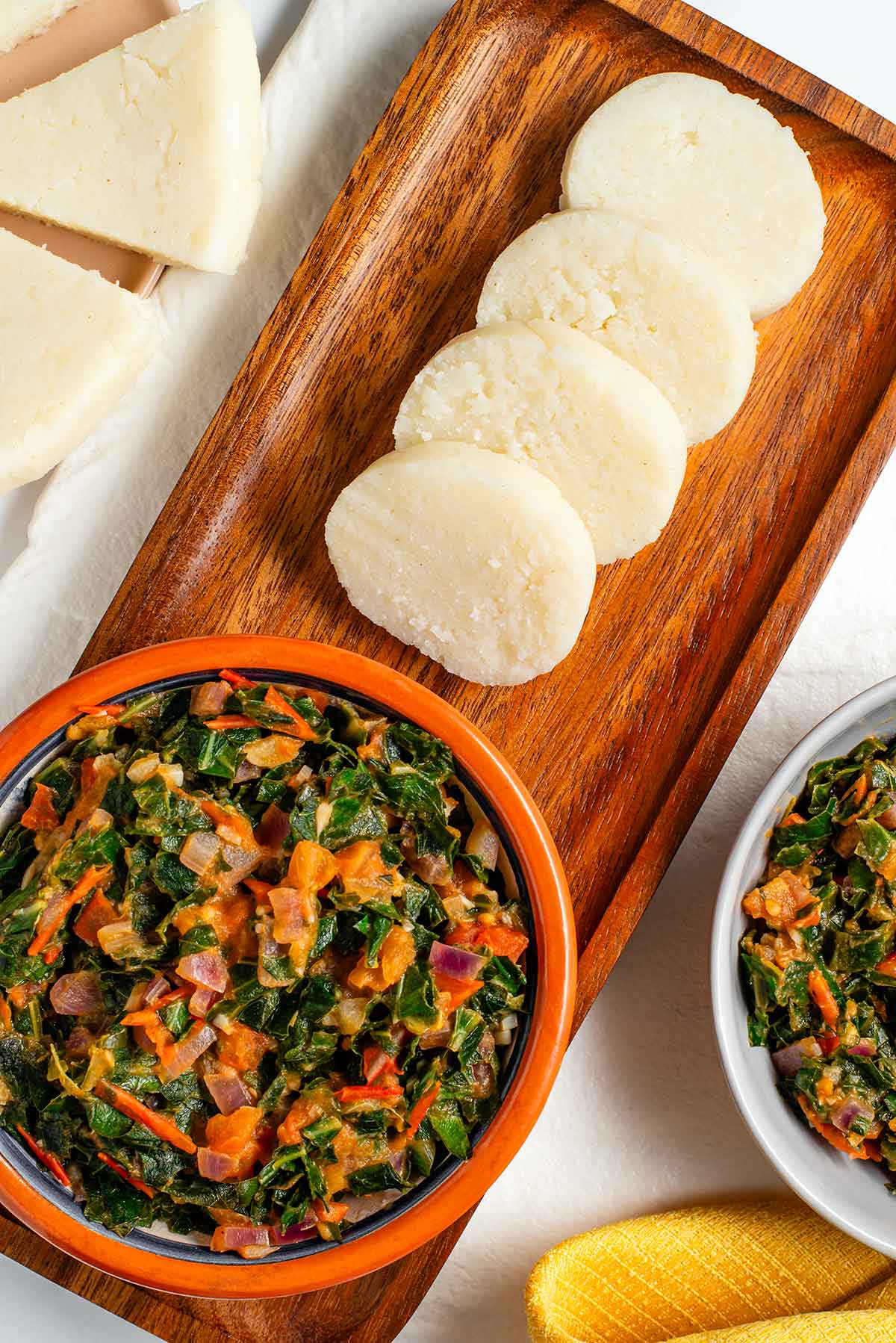
Ugali is the foundation of everyday Kenyan cuisine. Made from maize flour and water, it is dense, neutral, and intentionally simple. In the Masai Mara, ugali usually appears as a side rather than a centrepiece—neatly shaped and softened in presentation for lodge dining.
For Indian travellers, ugali feels conceptually familiar. Its texture sits closer to makki-based preparations than wheat rotis, and its role is similar: to absorb gravies and balance stronger flavours. When paired with vegetables or mild stews, it becomes surprisingly comforting after a long day in the bush.
Ugali reflects what much of Kenyan food is about: substance over display, nourishment over indulgence.
Nyama Choma: Kenya’s Most Celebrated Dish
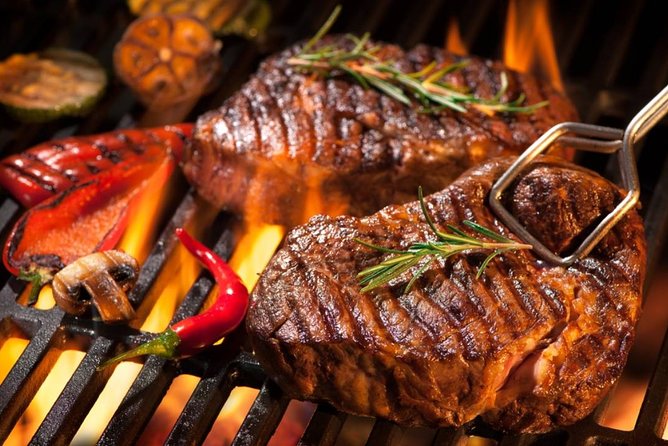
Nyama choma (literally “roasted meat”) is Kenya’s most iconic dish. In safari camps, it is typically prepared using goat, lamb, or beef—grilled slowly over open flames and seasoned minimally.
Unlike heavily marinated barbecue styles, nyama choma relies on patient cooking and high-quality meat. It is often served during outdoor dinners or special evenings, accompanied by simple salads, sauces, and occasionally ugali.
For Indian travellers, the appeal lies in its restraint. The flavours are clean and satisfying, especially after physically demanding safari days. When done well, nyama choma becomes one of the most memorable meals of the trip—not because it is elaborate, but because it feels authentic to the setting.
Swahili-Inspired Coconut Curries
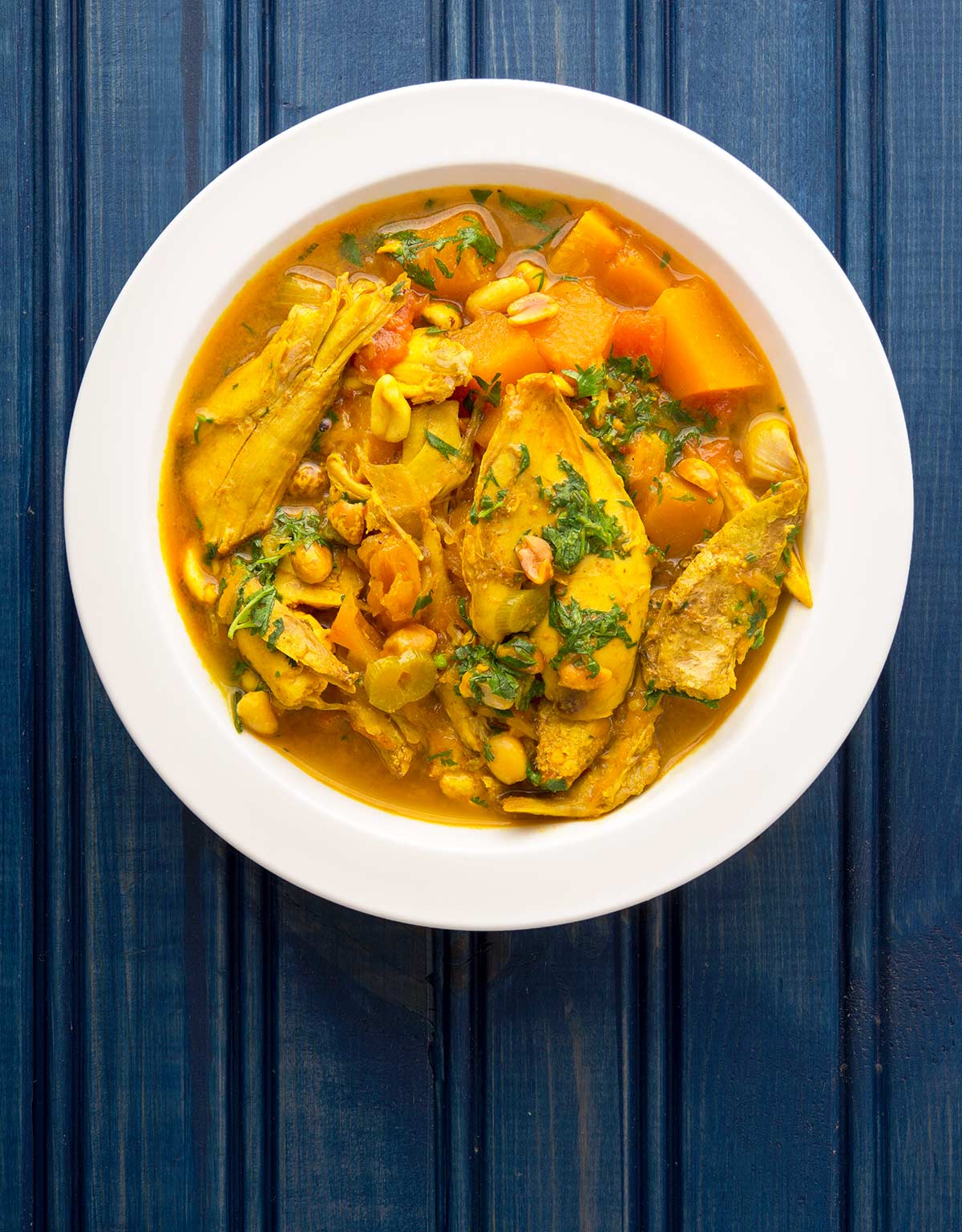
Although the Masai Mara is inland, Kenya’s coastal Swahili cuisine influences menus across the country. This influence appears most clearly through coconut-based curries.
Travellers may encounter:
- Coconut chicken or vegetable curries
- Mildly spiced fish dishes sourced from the coast
- Fragrant rice preparations using cardamom or cloves
These dishes are intentionally gentle. For Indian travellers, they offer a sense of familiarity without attempting imitation. The flavours feel recognisable but distinct—comforting rather than “wow”—which suits safari rhythms well.
Sukuma Wiki: Everyday Greens of Kenya
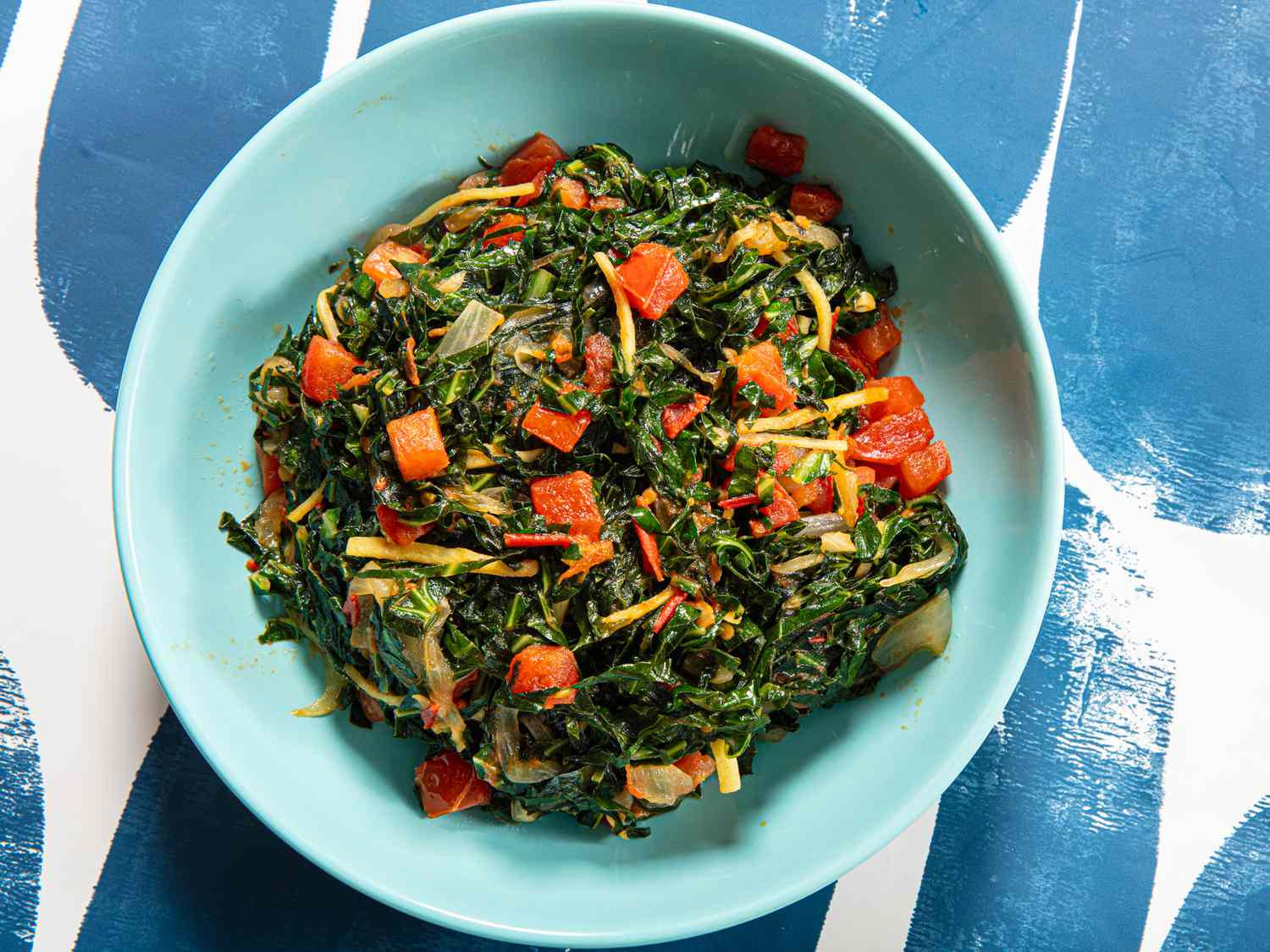
Sukuma wiki is a simple preparation of leafy greens sautéed with onions and sometimes tomatoes. Its name loosely translates to “stretch the week,” highlighting its role as an everyday staple across Kenya.
In the Masai Mara, sukuma wiki is usually served as a side dish, particularly at lunch. For Indian travellers, it resembles lightly cooked saag without heavy spices. Nutritious and grounding, it pairs well with grilled meats or lentils and adds balance to lodge meals.
Lentils, Legumes, and Vegetarian Comforts
Vegetarian travellers are often pleasantly surprised by safari dining in the Mara. Given the high number of Indian guests, premium camps are well-prepared.
Common vegetarian offerings include:
- Lentil stews and bean curries
- Vegetable bakes and stir-fries
- Rice dishes and simple flatbread-style accompaniments
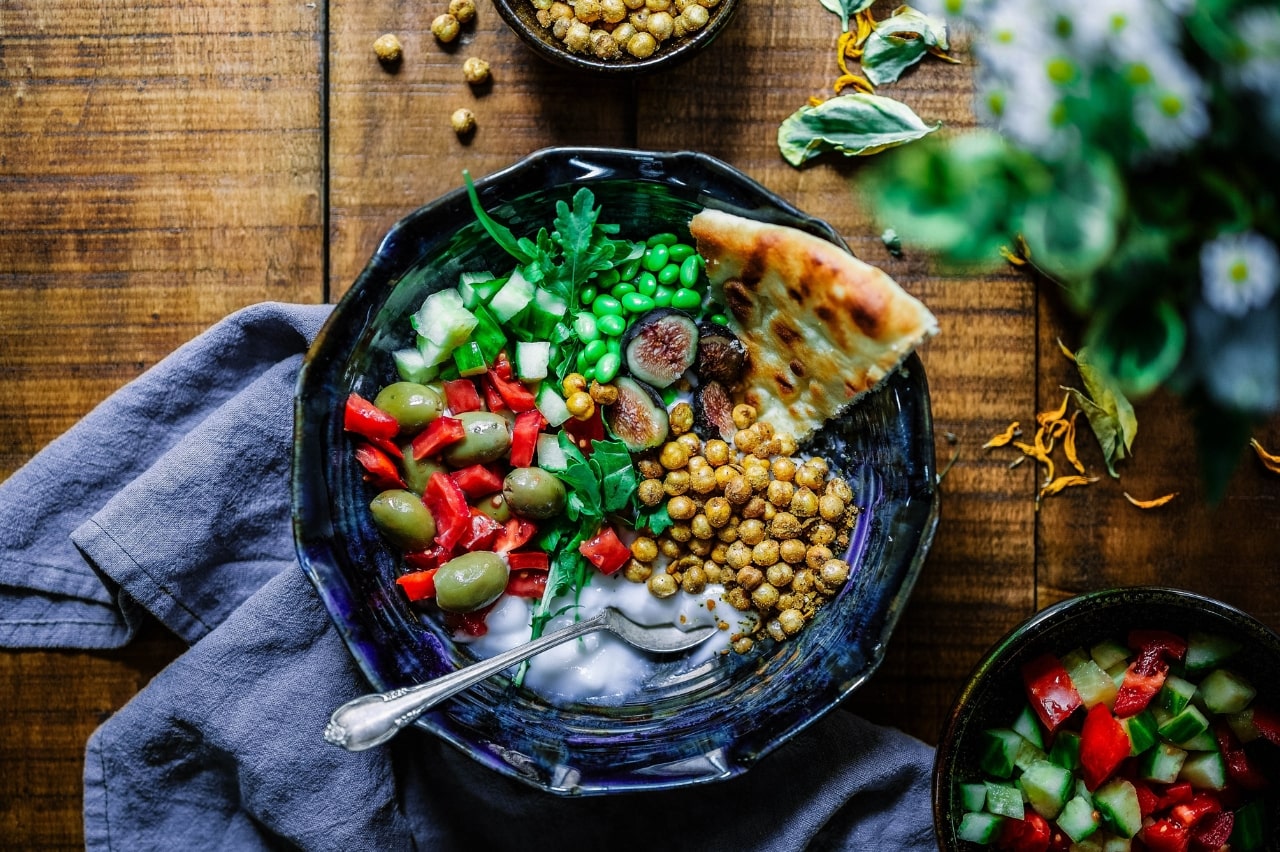
While these are not “Indian dishes,” they are thoughtfully designed to provide warmth, protein, and balance. Communicating dietary preferences in advance allows camps to personalise meals rather than limit options.
Safari Breakfasts: Where the Mara Truly Shines
Breakfast is often the most memorable meal in the Masai Mara. Served before sunrise or laid out as a bush breakfast after a morning game drive, it combines atmosphere with ritual.
Typical breakfasts include:
- Fresh fruits and juices
- Eggs cooked to order
- Grilled vegetables or sausages
- Toasts, cereals, and hot beverages
Bush breakfasts are often part of curated safari experiences—elevating simple food into something extraordinary. The setting does most of the work, turning an ordinary meal into a lasting memory. Many travellers experience this as part of private itineraries such as the Private Jeep Safari.
Desserts and Sweet Endings
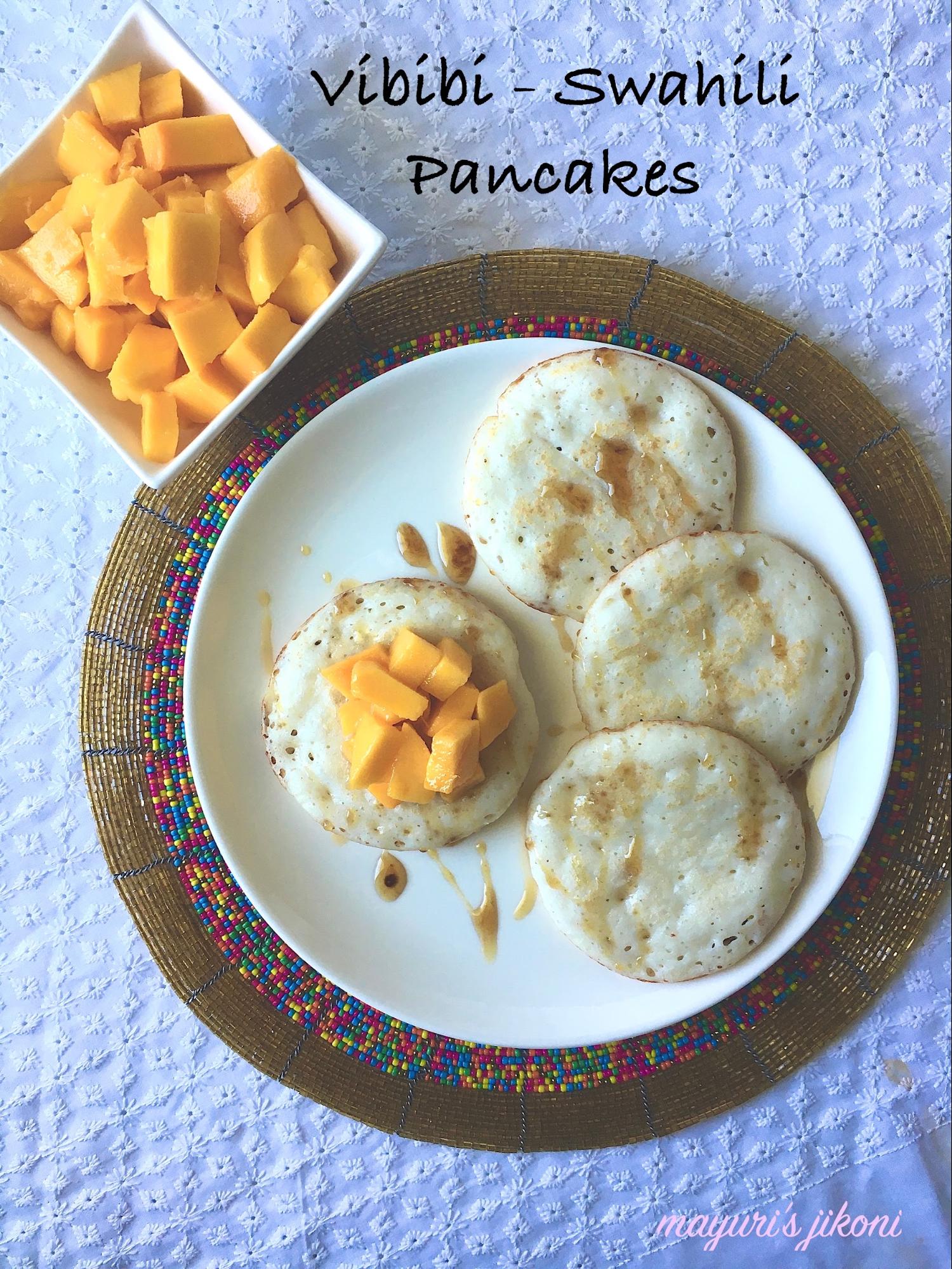
Desserts in the Masai Mara are usually light and restrained. Expect fruit-based puddings, gentle cakes, custards, or coconut-inspired sweets rather than rich or overly sweet finales.
Climate, logistics, and safari schedules all influence dessert choices. The result is an ending that feels appropriate rather than indulgent—allowing guests to rest well before early mornings.
Tea, Coffee, and the Rhythm of the Day
Kenya’s reputation for tea and coffee is evident even in remote safari camps. Black teas are robust and comforting, while Kenyan coffee is aromatic and well-balanced.
These beverages anchor the day—served during early wake-ups, afternoon pauses, and quiet evenings. For Indian travellers, these familiar rituals bring comfort and rhythm to an unfamiliar landscape.
Hygiene, Food Safety, and Comfort for Indian Travellers
Food safety is a common concern for first-time Africa travellers. In the Masai Mara, well-run lodges follow strict hygiene protocols.
Key reassurances include:
- Filtered or treated water for cooking
- Careful washing of produce
- Trained kitchen staff
- Clear handling of dietary restrictions
Travellers often pair food awareness with broader preparation planning, including health and safety considerations outlined by global authorities such as the World Health Organization. Many Indian guests also review a comprehensive preparation guide before departure—see: How to Travel from India to Masai Mara.
Final Thought: Food Is Part of the Safari Story
In Masai Mara, food is not a distraction from wildlife—it is part of the landscape experience. Whether you’re eating nyama choma by firelight, sipping tea as the savannah cools, or enjoying a refined lodge dinner after a day of game drives, these meals anchor your memories long after the safari ends.
If you’re planning a bespoke Masai Mara journey from India and want experiences that go beyond game drives, Luxury Unlocked curates itineraries where culture, comfort, and cuisine are thoughtfully woven together. Start with the Masai Mara destination and build from there.