
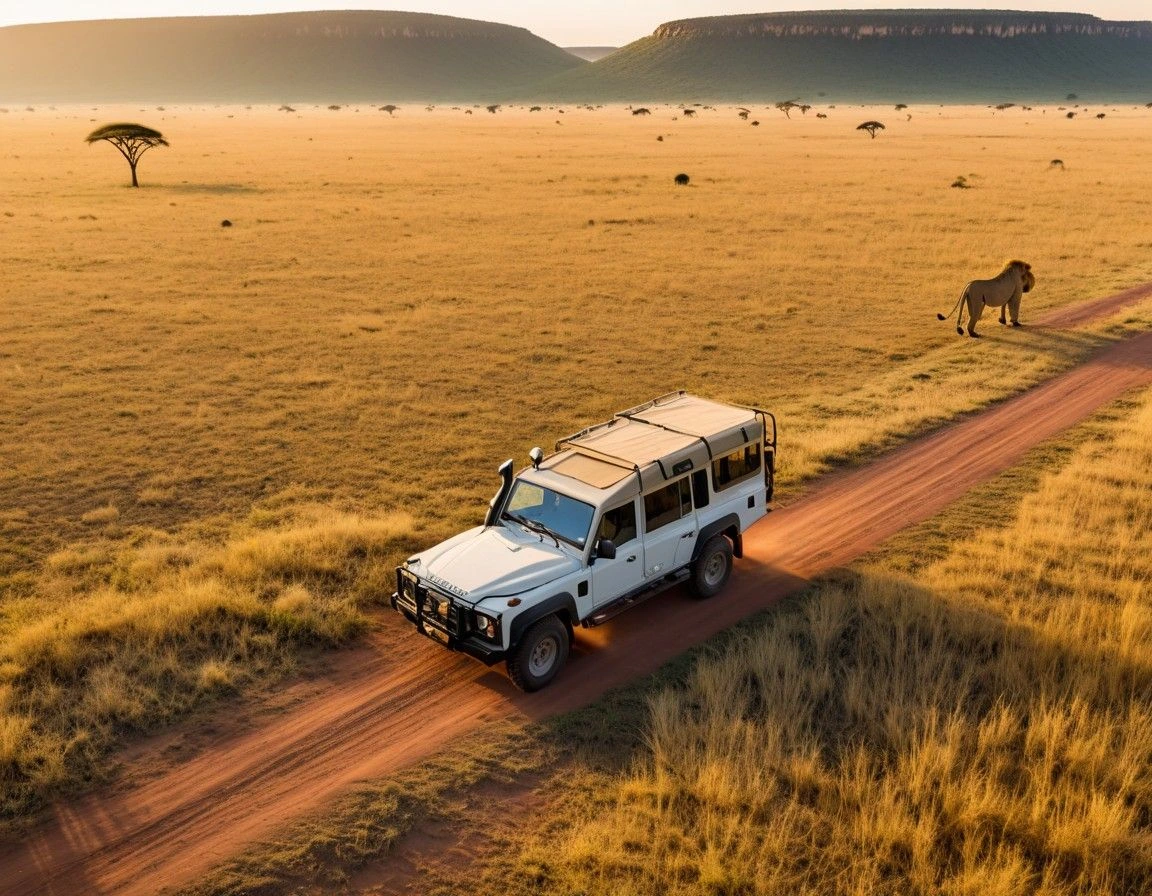
Masai Mara or Tanzania: Which Safari Is Better for Indian Travelers in 2026?
Masai Mara or Tanzania, it is the most common question Indian travelers ask when planning their first African safari. Both destinations are world-class. Both offer the Big Five, extraordinary wildlife density, and once-in-a-lifetime experiences. But they are not the same safari, and choosing the wrong one for your travel style, available time, or budget can mean a less satisfying experience than you deserve.
This guide gives you a clear, honest comparison across every factor that matters — wildlife, cost, circuit variety, season, logistics, beach extensions, and who each destination is genuinely best suited for. Before reading this comparison, it also helps to understand each destination individually. Our Tanzania destination and Masai Mara destination cover the full picture of each location in depth.
The Short Answer: Masai Mara vs Tanzania
| Factor | Masai Mara | Tanzania |
|---|---|---|
| Wildlife Density | Very High | Very High |
| Circuit Variety | Limited — single reserve | Very High — multiple parks |
| Great Migration | Jul–Oct (river crossings) | Year-round across regions |
| Beach Extension | Not easily combined | Yes — Zanzibar |
| Cost (4–6 nights, pp) | ₹3.5 – ₹6.0 lakhs | ₹4.0 – ₹7.5 lakhs |
| Logistics Complexity | Lower | Higher |
| Best For | First-timers, shorter trips | Deeper safari, beach combo |
| Ideal Trip Length | 5–7 days | 8–12 days |
Wildlife: Is There a Difference?
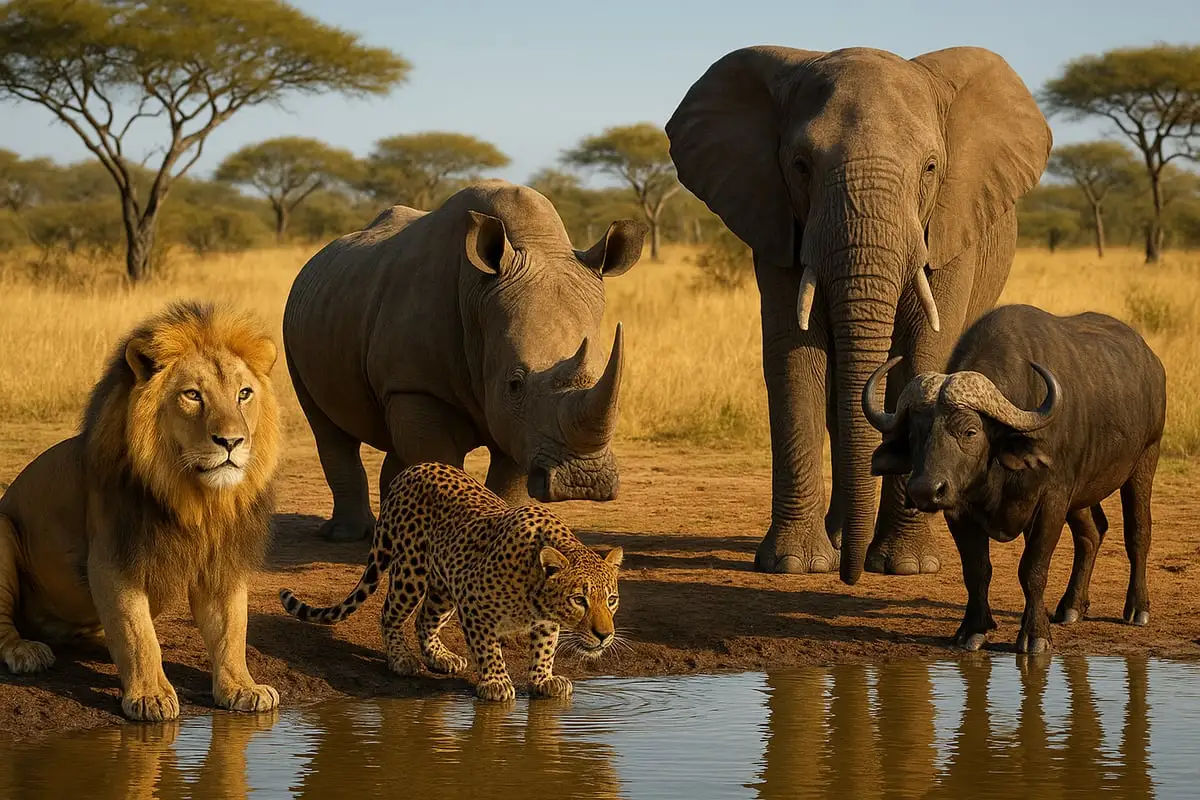
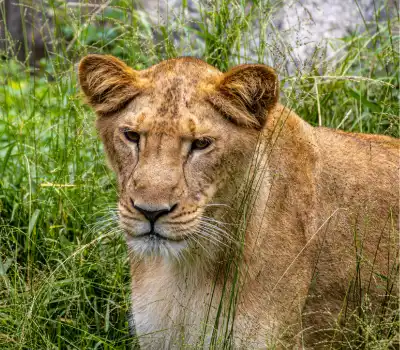
In terms of raw wildlife quality, both destinations are among the best on Earth. The Big Five — lions, elephants, leopards, buffaloes, and rhinos are present in both. Predator sightings are strong in both. Neither destination disappoints a serious wildlife traveler.
Where they differ is in wildlife variety and landscape scale. Masai Mara is a single, concentrated reserve where wildlife is dense and relatively easy to find within a manageable area making it excellent for first-time safari travelers who want high-impact sightings efficiently.
Tanzania, by contrast, spreads its wildlife across multiple distinct ecosystems. The Serengeti offers vast open plains and the full Great Migration cycle. The Ngorongoro Crater is one of the best places in Africa to see the endangered black rhino. Each park has its own character, terrain, and wildlife profile which makes Tanzania a richer overall experience for travelers who have more time and want more depth.
The Great Migration: Masai Mara vs Tanzania Serengeti
The Great Migration is the single biggest reason most travelers choose between these two destinations. It is important to understand that the migration is one continuous cycle the herds do not choose between Masai Mara and Tanzania. They move through both in sequence.
Tanzania's Serengeti: The Full Migration Year
Tanzania's Serenget hosts the Great Migration for most of the year. From December to March, the herds gather in the southern Serengeti for calving season when thousands of wildebeest calves are born and predator activity is at its most intense. From April to June, the migration moves northward. By July the herds reach the northern Serengeti before crossing into Kenya. This means Tanzania offers a more extended and varied migration experience than Masai Mara alone.
Masai Mara: The River Crossing Window
Masai Mara is specifically famous for the dramatic Mara River crossings that happen roughly between July and October, when massive herds attempt to ford crocodile-filled waters. These crossings are widely considered the single most spectacular moment of the entire migration — and Masai Mara is the best place to witness them. If the river crossing is your primary goal, Masai Mara from July to October is the right answer.
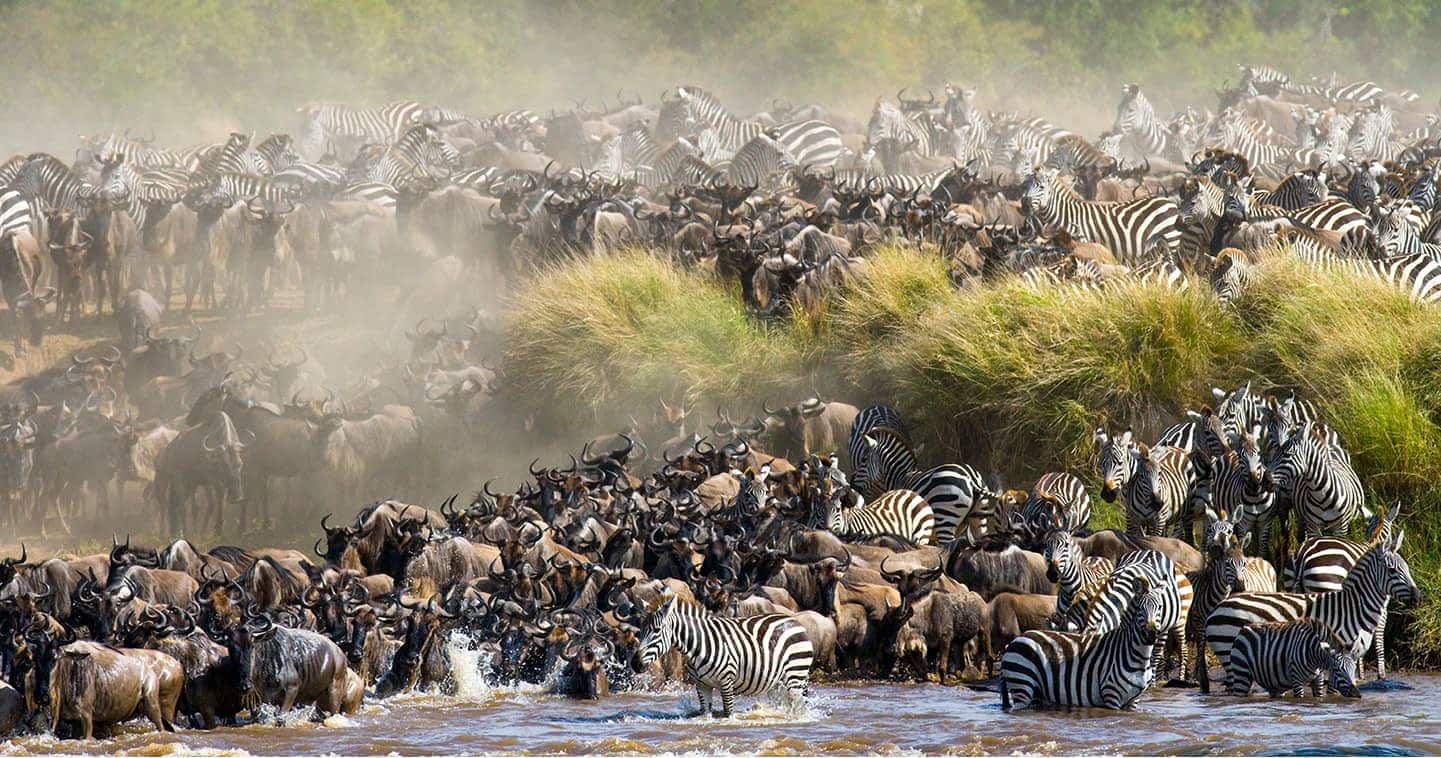
The key takeaway: if you want to witness the river crossings specifically, travel to Masai Mara between July and October. If you want to experience the full migration cycle across different phases and landscapes, Tanzania's Serengeti gives you that breadth. Our Tanzania safari season guide explains the migration calendar in full detail, month by month.
Circuit Variety: Single Reserve vs Multi-Park Journey
This is one of the clearest differences between the two destinations, and it significantly affects how satisfying your trip feels overall.
Masai Mara: A Single, Focused Reserve
Masai Mara is essentially one reserve large, extraordinary, and wildlife-rich, but a single ecosystem. Once you are in the Mara, all your game drives happen within the same landscape. This simplicity is actually a strength for travelers on short trips or first-time safari visitors: there is no complex routing, no internal flights to manage, and no decision fatigue about which parks to combine.
Tanzania: A Multi-Region Safari Canvas
Tanzania gives you the option to move between genuinely different environments within a single trip. The open savannah drama of the Serengeti, the concentrated wildlife bowl of the Ngorongoro Crater, the elephant-dominated terrain of Tarangire, and the remote wilderness of Nyerere in the south — these are four entirely different experiences, each with its own character. For travelers who want a richer, more textured safari journey, Tanzania's variety is impossible to match. Our best safari tours in Tanzania guide covers how to structure a multi-park itinerary effectively.
Cost Comparison: Masai Mara vs Tanzania
Tanzania generally costs more than Masai Mara for an equivalent-duration trip. This is primarily because Tanzania involves larger distances, more complex logistics, and frequently requires internal domestic flights to move efficiently between parks.
Indicative Cost Ranges (per person, excluding international flights)
- Masai Mara Comfort Safari: ₹3.0 – ₹4.5 lakhs
- Masai Mara Luxury Safari: ₹4.5 – ₹6.0 lakhs
- Tanzania Comfort Safari: ₹2.6 – ₹3.8 lakhs
- Tanzania Luxury Safari: ₹4.5 – ₹7.2 lakhs
- Tanzania Ultra-Luxury: ₹8.0+ lakhs
However, Tanzania's higher cost often buys you more a longer journey through more diverse regions, with the option to add Zanzibar as a beach extension. When you factor in the full value of a combined Tanzania + Zanzibar itinerary, the per-experience cost becomes more competitive.
Beach Extension: Tanzania's Biggest Advantage
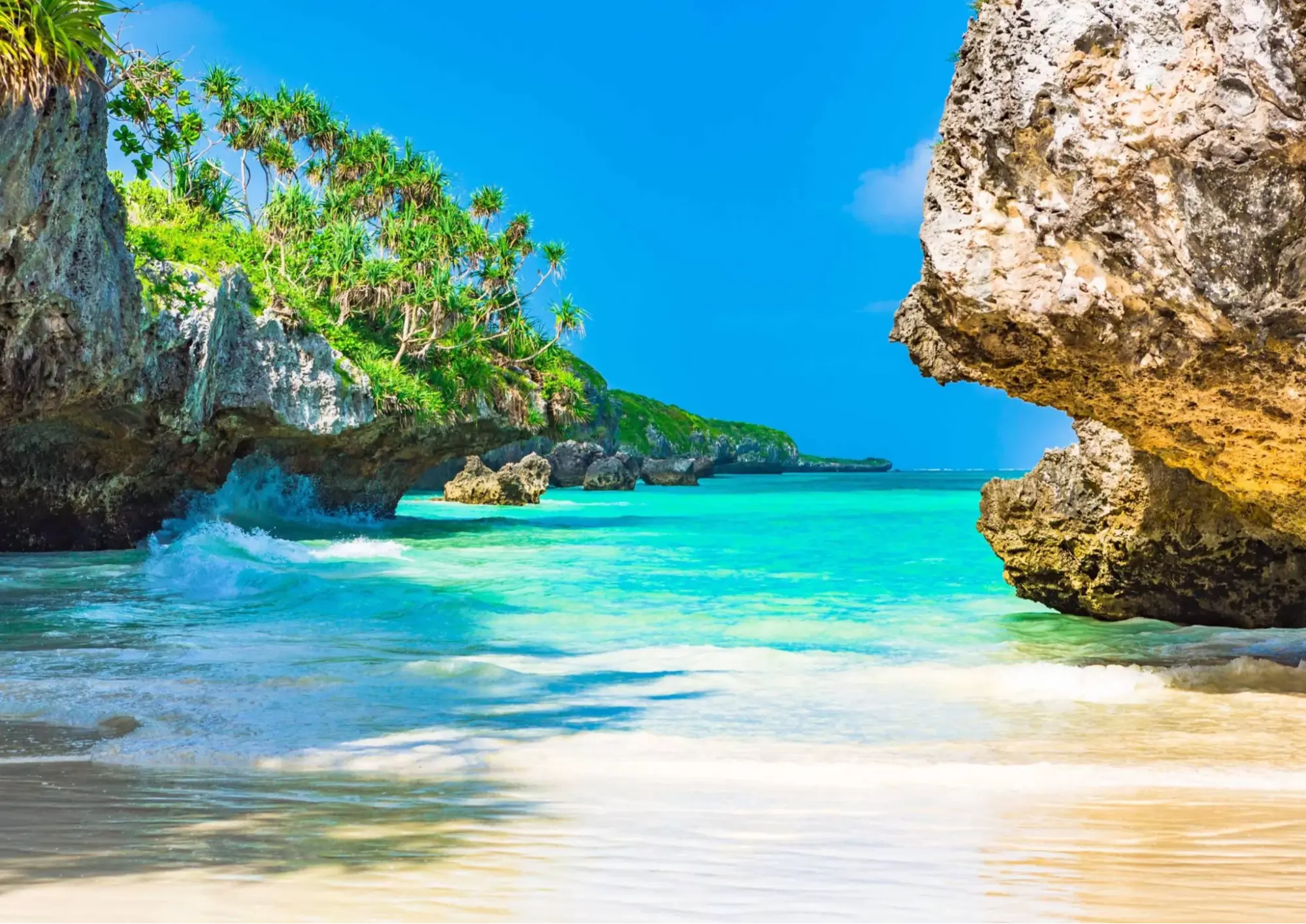
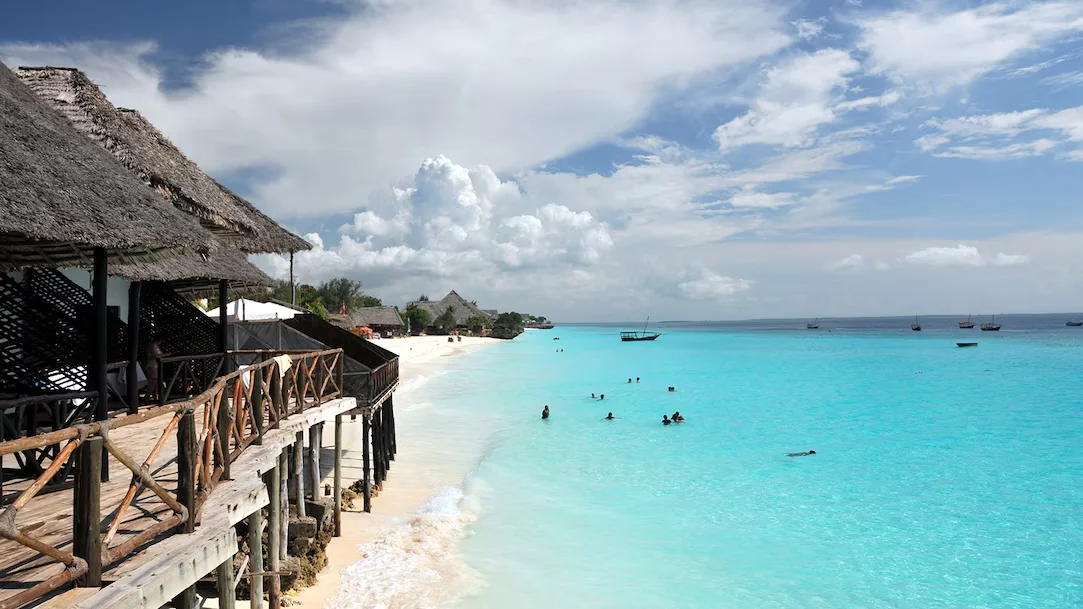
This is arguably Tanzania's single greatest advantage over Masai Mara, particularly for Indian travelers, especially honeymooners and luxury leisure travelers. After 5–7 nights of safari in the Serengeti or northern circuit, you can take a short domestic flight to Zanzibar and spend 3–4 nights on one of the world's most beautiful island beaches.
Zanzibar offers white sand beaches, turquoise Indian Ocean waters, beachfront resorts, water sports, spice tours, and the atmospheric Stone Town a UNESCO World Heritage Site. The combination of a Tanzania safari and a Zanzibar beach stay creates one of the most complete and satisfying travel itineraries available anywhere in the world for Indian travelers.
Masai Mara does not have a natural beach extension that compares. While Kenya's coast exists, it is a separate trip requiring different logistics, and the Mara–coast combination is rarely as seamless as the Tanzania–Zanzibar flow.
Logistics & Travel Complexity
Masai Mara: Simpler, More Straightforward
Masai Mara is logistically more straightforward for Indian travelers. The entry point is Nairobi's Jomo Kenyatta International Airport, which is well-connected from major Indian cities. From Nairobi, you can reach the Mara by road (approximately 5–6 hours) or by a short domestic flight. The reserve is a single, manageable destination — no complex multi-park routing is required.
Tanzania: More Varied, Requires More Planning
Tanzania's multi-park structure requires more careful logistical planning. Choosing the right entry airport — Kilimanjaro (JRO), Dar es Salaam (DAR), or Zanzibar (ZNZ) — depends entirely on your itinerary. Internal flights are often recommended to move efficiently between parks, which adds to both cost and planning complexity. Our how to reach Tanzania from India guide explains all routing options, airport choices, and transfer logistics in full detail.
The reward for this extra planning effort is a significantly richer, more varied safari experience — but it does mean Tanzania benefits more from professional itinerary guidance through a trusted travel agency for Africa.
Season: When Should You Travel to Each Destination?
| Month | Masai Mara | Tanzania |
|---|---|---|
| Jan – Mar | Good wildlife, quieter, lower cost | Calving season in southern Serengeti — excellent predator activity |
| Apr – May | Green season, fewer tourists | Migration moves north, lush landscapes, attractive rates |
| Jun – Jul | Peak season begins, migration arrives | Dry season peak, excellent game viewing across all parks |
| Aug – Oct | Peak river crossings — best Mara season | Northern Serengeti crossings, peak demand, book early |
| Nov – Dec | Short rains, fewer visitors | Migration moves south, herds return to Serengeti plains |
For Tanzania specifically, the right season depends on which parks you plan to visit and what wildlife experience you are prioritising. Our detailed best time to visit Tanzania for safari guide breaks this down park by park and month by month.
Who Should Choose Masai Mara?
- You are going on your first African safari and want simplicity with maximum impact
- You have 5–7 days available and want a focused, high-quality experience
- You are traveling specifically to witness Mara River crossings between July and October
- You prefer a lower-complexity itinerary without multi-park routing decisions
- You are working with a tighter budget and want excellent value without internal flight costs
- You want concentrated, easy-to-find wildlife in a single well-managed reserve
Who Should Choose Tanzania?
- You want a richer, more varied safari across multiple ecosystems and landscapes
- You have 8–12 days available to explore multiple parks properly
- You want to combine safari with a beach holiday on Zanzibar in one seamless trip
- You are planning a honeymoon or special-occasion trip that needs both adventure and relaxation.
- You want to see the full Great Migration cycle beyond just the river crossings
- You are a returning safari traveler looking for more depth, diversity, and new experiences
- You want the option of a luxury fly-in safari to remote camps.
Can You Do Both Masai Mara and Tanzania in One Trip?
Yes and for travelers with 12–15 days available, combining both destinations is genuinely possible and enormously rewarding. A typical combined itinerary might look like: fly into Nairobi → 3–4 nights in Masai Mara → fly to Kilimanjaro or Dar es Salaam → 4–5 nights across Tanzania's northern circuit → 3 nights in Zanzibar → fly home.
This kind of combined East Africa journey covers river crossings, multi-park safari variety, and a beach finale in a single trip — and represents one of the most complete African travel experiences available to Indian travelers. Routing and logistics for a combined trip are more complex, so it is worth working through the airport choices and sequencing with our how to reach Tanzania from India guide before booking.
Final Thoughts: Masai Mara or Tanzania?
There is no universally correct answer but there is a right answer for you specifically, based on your available time, budget, travel goals, and whether a beach extension matters.
Choose Masai Mara if you want the most efficient, high-impact, first-time safari experience with simpler logistics and a slightly lower cost. The Mara delivers extraordinary wildlife and between July and October, the river crossings are the most dramatic wildlife spectacle on Earth.
Choose Tanzania if you want depth, variety, and the option to pair a world-class safari with Zanzibar's Indian Ocean beaches. Tanzania rewards travelers who invest more time and planning with a significantly richer, more layered experience. For everything you need to know about planning a Tanzania safari from India, start with our best safari tours in Tanzania guide, then use the Tanzania cost guide to build your budget, and read our Tanzania travel tips for Indian travelers before you finalise your booking.