
Ngorongoro Conservation Area Travel Guide (2026): Crater, Wildlife, Maasai Culture & Safari Planning
Ngorongoro is one of the most important places to visit in Tanzania. It is not only a safari destination, it is a landscape where wildlife, geology, human history and living culture meet in one extraordinary conservation area. For Indian travellers planning a Tanzania safari in 2026, Ngorongoro is usually the most dramatic stop between Tarangire and Serengeti, and often the place where a Big Five safari in Ngorongoro Crater feels most possible in a single day.
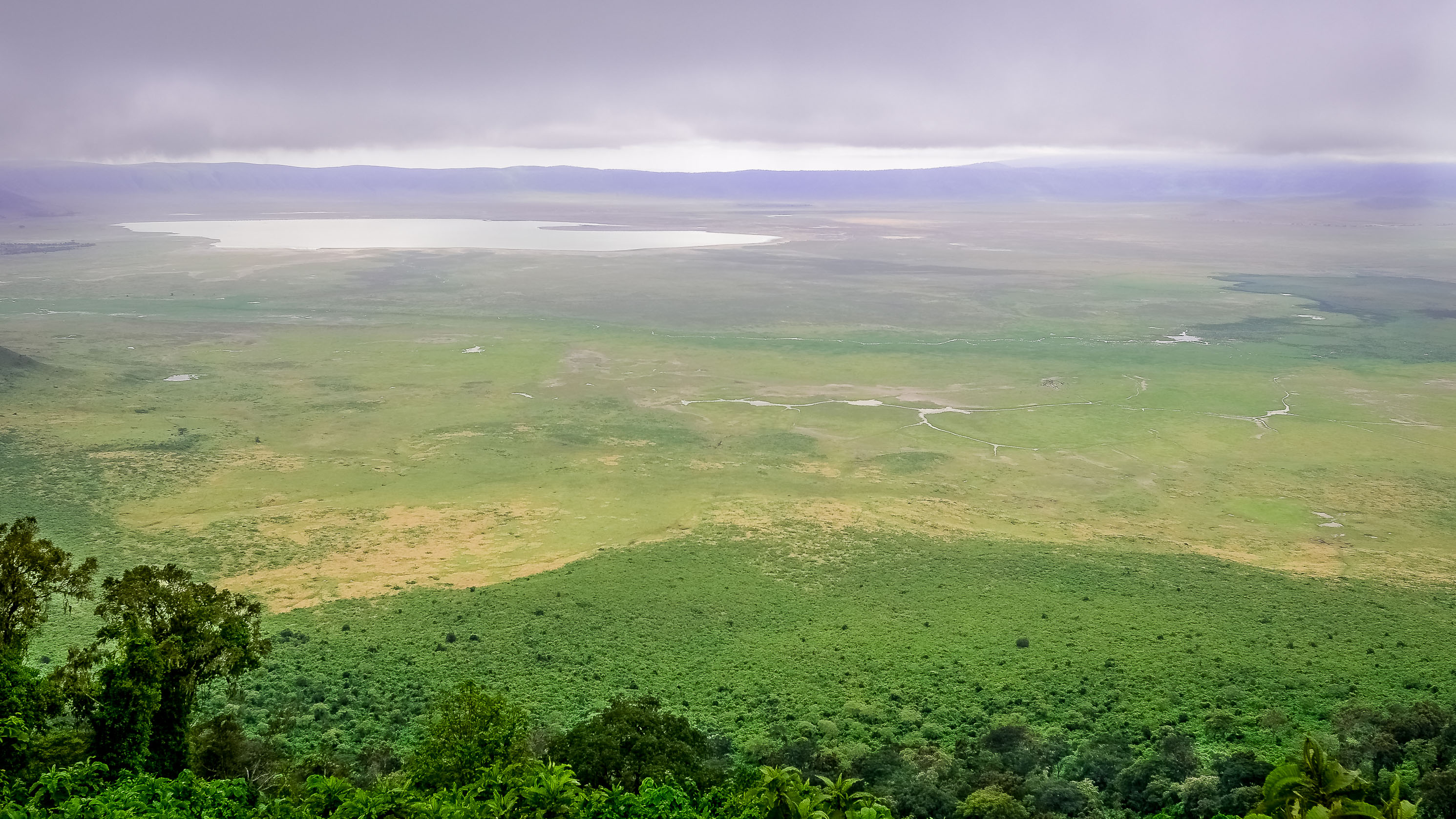
Most travellers know the name because of Ngorongoro Crater. The crater is the centrepiece, and rightly so, it is a vast volcanic caldera with grassland, forest, marsh, lake areas and resident wildlife spread across the crater floor. Lions, elephants, buffaloes, zebras, wildebeest, hyenas, hippos and black rhino possibilities make it one of East Africa's most rewarding safari experiences.
But Ngorongoro Conservation Area is larger and more layered than the crater alone. It includes highland plains, forests, savanna, Olduvai Gorge, archaeological heritage, Maasai pastoralist presence and seasonal wildlife movement connecting toward the Serengeti ecosystem. UNESCO recognises Ngorongoro as both naturally and culturally significant, making it different from a standard national park. For wider Tanzania planning, read our Ngorongoro crater safari package.
What Is Ngorongoro Conservation Area?
Ngorongoro Conservation Area is a protected landscape in northern Tanzania, located between the Serengeti plains and the Great Rift Valley region. Unlike a standard national park, it is a conservation area where wildlife, tourism and human communities exist within the same broader landscape. The area is most famous for Ngorongoro Crater, but it also includes Olduvai Gorge, highland landscapes, grazing areas, forests, archaeological sites and important wildlife habitats. UNESCO describes the property as extending from Serengeti National Park to the Great Rift Valley, with highland plains, savanna woodlands, forests and Maasai pastoralists practising traditional livestock grazing.
This makes Ngorongoro different from Serengeti or Tarangire. Serengeti is about scale and open plains. Tarangire is about elephants and baobabs. Ngorongoro is about concentration, drama and layers wildlife inside the crater, people in the highlands, geology under your feet and human history at Olduvai Gorge. For Indian travellers, this gives Ngorongoro a rare combination: it is visually spectacular, wildlife-rich and culturally significant in a compact, itinerary-friendly area.
Where Is Ngorongoro?
Ngorongoro is in northern Tanzania and forms part of the classic Northern Tanzania safari circuit, usually visited after Tarangire or Lake Manyara and before Serengeti. A practical route from India usually looks like this:
India → Kilimanjaro International Airport → Arusha → Tarangire / Lake Manyara → Ngorongoro → Serengeti → Zanzibar
Most travellers reach Ngorongoro by road from Arusha, Tarangire, Lake Manyara or Karatu. Ngorongoro works especially well in safari planning because it breaks the journey between Arusha and Serengeti — instead of driving directly into the deeper Serengeti plains, travellers can spend one or two nights in the Ngorongoro highlands, enjoy a crater safari, then continue onward.
Why Ngorongoro Is Different from Other Tanzania Safari Places
Ngorongoro is different because it combines three major experiences in one area. First, the crater offers concentrated wildlife viewing — the crater floor is relatively compact, so safari sightings can feel more immediate than in Serengeti, and you may see multiple wildlife species within a single game drive. Second, the landscape is dramatic — descending from the crater rim into the caldera is one of Tanzania's most memorable safari moments, with the walls rising around you and the floor opening ahead. Third, Ngorongoro has cultural and historical depth. Maasai communities live within the wider conservation area, and Olduvai Gorge is one of the world's most important paleoanthropological sites. UNESCO notes Olduvai Gorge as part of the property and describes it as a deep ravine of global importance within the conservation area.
Ngorongoro Crater: The Main Safari Experience
Ngorongoro Crater is the main reason most travellers visit. The experience usually begins early — your vehicle leaves the lodge, reaches the crater rim and then descends by road into the crater. The morning light, mist and scale of the walls create a dramatic arrival. Once inside, the safari usually includes grassland, lake edges, marsh areas, forest pockets and open plains.
Wildlife can include lions, buffaloes, elephants, zebras, wildebeest, hyenas, hippos, jackals, antelope and black rhino possibilities. The crater is especially useful for first-time safari travellers because it can deliver a wide range of sightings in one day. However, it should not be treated like a zoo — wildlife is still wild, sightings vary, and rhino sightings are possible but never guaranteed. For Indian families, this is one of the easiest safari days to enjoy because the landscape is compact and the reward level is high. For honeymooners, the scenery adds drama. For photographers, the crater walls create a strong sense of place.
Wildlife in Ngorongoro Conservation Area
Black Rhino
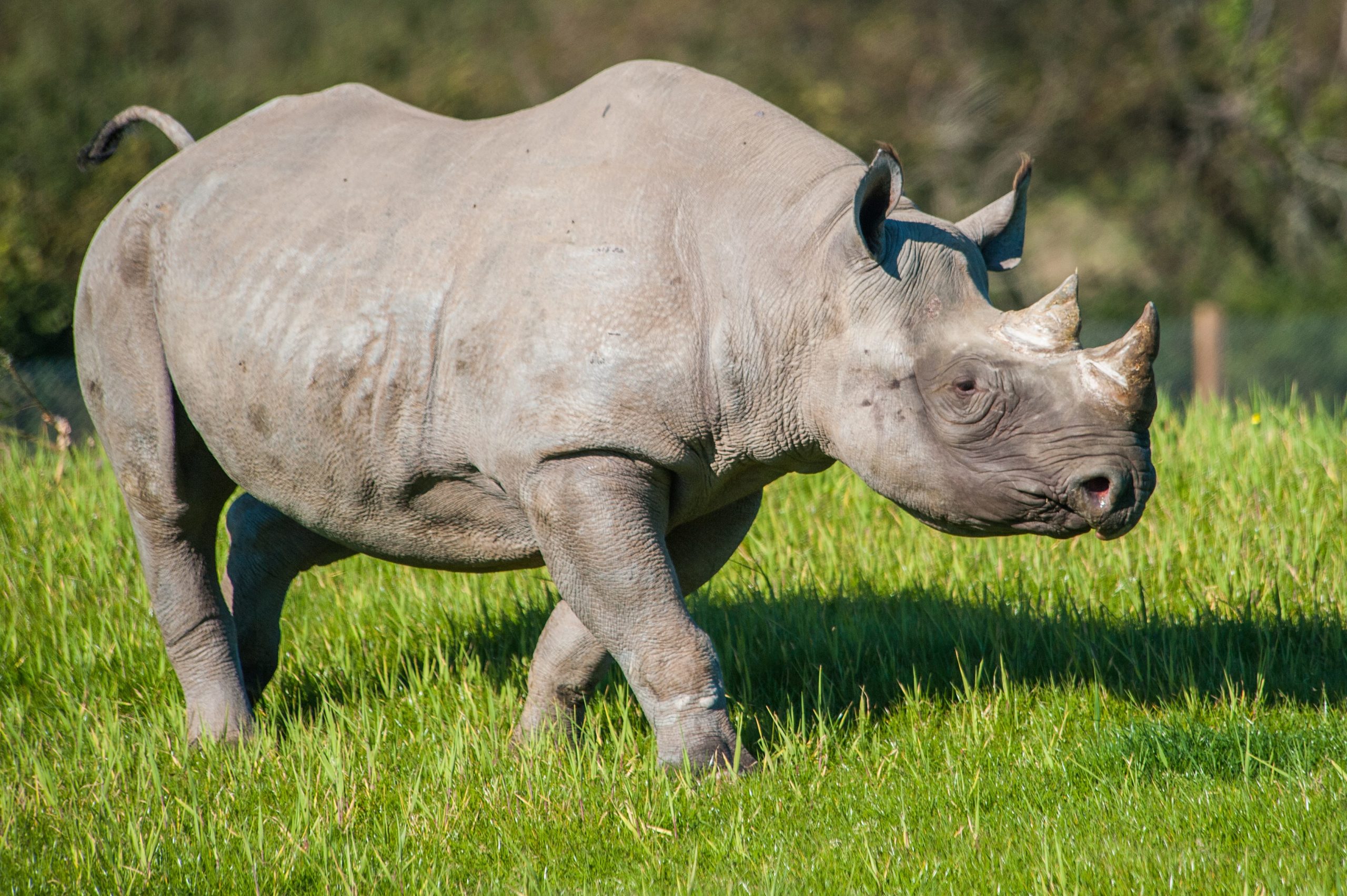
Ngorongoro is one of the important places in Tanzania where travellers may have a chance to see black rhino. UNESCO notes the area's importance for globally threatened species such as black rhino. Rhino sightings are not guaranteed, and they are often seen from a distance. Still, the possibility makes Ngorongoro especially important for travellers hoping for a Big Five safari.
Lions
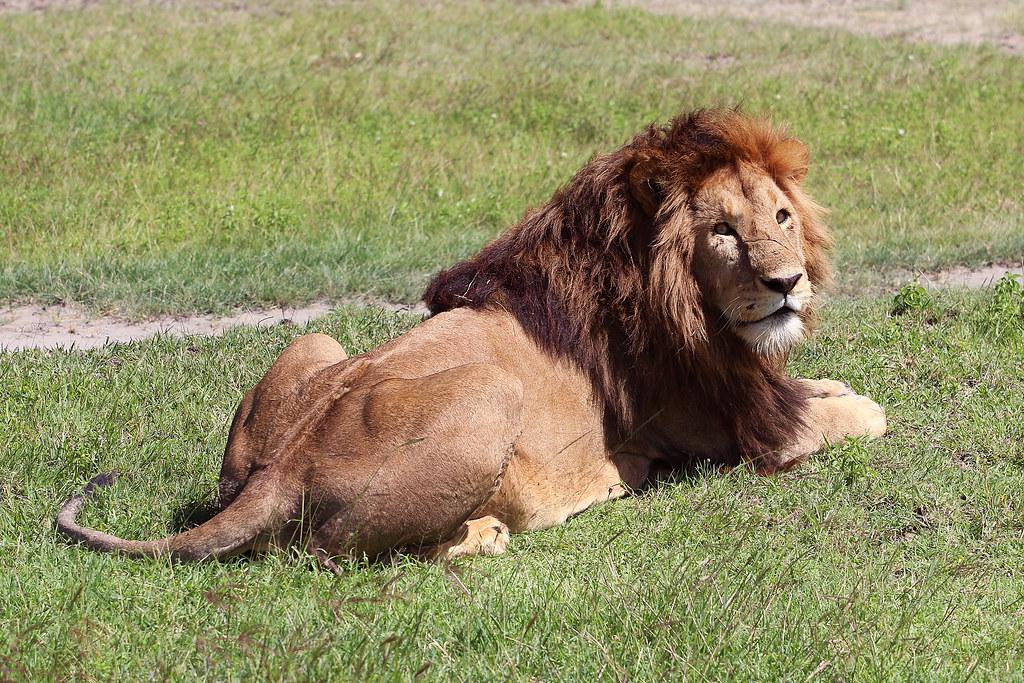
Ngorongoro has strong lion viewing potential. Lions are often seen resting, walking or watching prey on the crater floor. Because the landscape is open in many areas, sightings can be easier than in heavily wooded regions. Prides within the crater are well-established, and lion encounters are one of the most reliable safari highlights in the area.
Elephants, Buffaloes, Zebras and Wildebeest
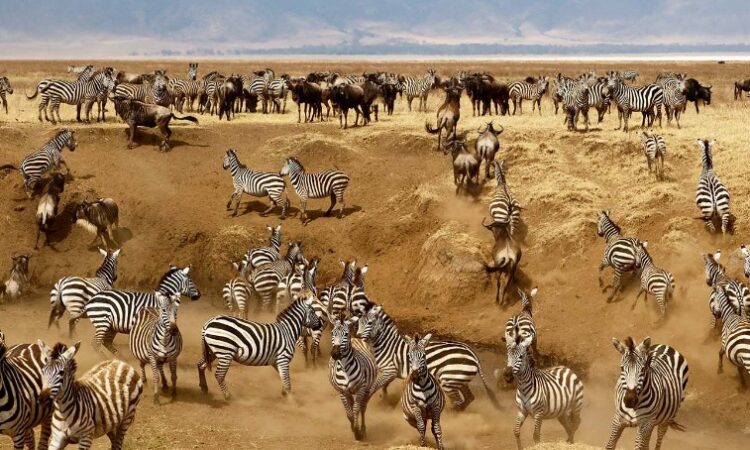
Elephants are present in Ngorongoro, including some impressive older bulls. Tarangire is better for large herds, but Ngorongoro's elephant sightings can be memorable in the crater setting. Buffaloes are commonly seen in groups across grassland and marsh areas and are part of the Big Five experience. Zebras and wildebeest are frequent sightings inside the crater, their presence supporting the predator population and giving the landscape constant movement.
Hyenas, Hippos and Birds
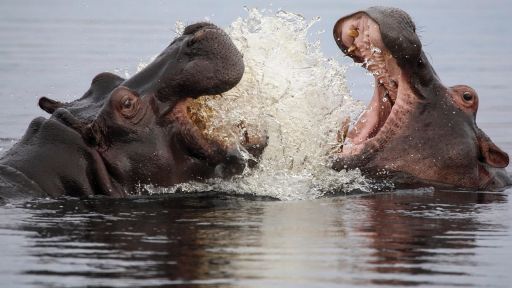
Hyenas are common in Ngorongoro and play an important role in the crater ecosystem. Jackals may also be seen in open areas. Hippos are usually associated with the crater's water bodies and pools, often seen resting in water during the day. Ngorongoro also has rich birdlife including waterbirds, raptors and grassland species. Flamingos may be present around lake areas depending on conditions, and the crater's varied habitats support impressive birdwatching even for non-specialists.
Olduvai Gorge: Human History Near Ngorongoro
Olduvai Gorge is one of the most important historical and archaeological places in East Africa, sitting within the wider Ngorongoro Conservation Area and strongly linked to research into early human evolution. UNESCO identifies Olduvai Gorge as part of the Ngorongoro World Heritage property and notes its global importance.
For Indian travellers interested in history, archaeology or education, Olduvai Gorge is worth including if your route allows — it is often visited while travelling between Ngorongoro and Serengeti. This is not a standard wildlife stop; it is a place for context, helping travellers understand that northern Tanzania is not only a safari landscape but also a region deeply connected to human origins and scientific discovery. Families with older children may find it educational. If your safari is very short, you may skip it to save time for wildlife.
Maasai Culture and Responsible Visiting
The Ngorongoro Conservation Area is also associated with Maasai pastoralist communities. UNESCO recognises the coexistence of wildlife and Maasai pastoralists within the wider landscape. For travellers, Maasai cultural visits can be meaningful when handled respectfully, a good visit should provide context about pastoral life, traditions, beadwork, livestock, changing pressures and the relationship between people and land, not feel like staged photography.
This subject requires sensitivity. Conservation, tourism and local community rights in northern Tanzania are complex. Travellers should avoid treating Maasai culture as entertainment — choose responsible operators, ask before taking photographs, pay fairly when required and listen more than you perform. A respectful cultural experience can add depth to a Ngorongoro itinerary, especially for Indian travellers who want to understand Tanzania beyond wildlife.
Best Time to Visit Ngorongoro in 2026
Ngorongoro Crater rewards visitors year-round, but the experience varies considerably by season. Dry months bring clearer skies and easier wildlife spotting, while the green season offers lush landscapes and fewer crowds. Timing your visit correctly can make the difference between a good safari and an exceptional one. Read our detailed guide on the best time to visit Ngorongoro Crater to plan your 2026 safari around the right window.
June to October
This is the dry season and one of the best periods for Ngorongoro. Wildlife viewing is strong, weather is generally more predictable, and the crater experience combines well with Serengeti and Tarangire. This is also a popular period, so lodges should be booked early.
December to February
This is another excellent time to visit. The surrounding landscapes can be greener, and the period combines well with Southern Serengeti and Ndutu calving-season safaris. For honeymooners and families travelling during winter holidays, this is a strong option.
March to May
This is the long rainy season. Ngorongoro can still be beautiful, with lush landscapes and dramatic skies, but travel conditions may be less predictable. It is better for flexible travellers than first-time luxury guests.
November
November can bring short rains and can be good value, but weather may vary. For most Indian travellers, the best months are June to October and December to February.
How Many Days Do You Need in Ngorongoro?
- One Night: Possible if the itinerary is tight. You can arrive, sleep near the crater, do an early crater safari and continue onward.
- Two Nights: Ideal for most Indian travellers. Gives better pacing, allows a full crater safari and avoids rushing between Tarangire and Serengeti.
- Three Nights: Useful for luxury travellers, photographers, families wanting slower pacing or those adding Olduvai Gorge and cultural experiences.
For most Tanzania safari packages, two nights in the Ngorongoro area is the best recommendation.
Where to Stay: Crater Rim vs Karatu vs Highlands
Crater Rim Lodges
Crater rim lodges offer the most dramatic views and the easiest early access to the crater descent. They are usually expensive but memorable. Choose crater rim stays if views, convenience and luxury are priorities.
Karatu Lodges
Karatu is outside the crater area but works well for travellers who want better value, gardens, larger lodges or a softer highland atmosphere. Drive time to the crater is longer, but many itineraries use Karatu successfully. Choose Karatu if you want comfort and value without paying crater-rim rates.
Highlands and Private-Style Lodges
Some lodges in the broader highlands offer scenic settings, privacy and a more atmospheric stay. These can be excellent for honeymooners and luxury travellers who want beauty, quiet and a more curated experience.
Ngorongoro Safari Cost in 2026
Ngorongoro is a premium safari area because of conservation fees, crater access, vehicle logistics and lodge demand. As a practical 2026 planning range:
Premium Mid-Range Ngorongoro Stay
Approximate cost: USD 600–1,000 per person per safari day
This usually includes a good lodge in Karatu or nearby, meals, guide, park fees and crater
safari logistics as part of a larger itinerary.
Luxury Ngorongoro Stay
Approximate cost: USD 1,200–2,000 per person per safari day
This may include better lodge locations, crater-rim or highland stays, private vehicle
arrangements and stronger service.
Ultra-Luxury Ngorongoro Stay
Approximate cost: USD 2,500+ per person per safari day
This includes top lodges, premium rooms, private guiding, highly curated experiences and
luxury routing with Serengeti and Zanzibar. The final cost depends on lodge category,
season, number of travellers, vehicle type and whether Ngorongoro is combined with
Serengeti and Zanzibar.
Ngorongoro vs Serengeti
Ngorongoro and Serengeti are very different. Ngorongoro is better for concentrated wildlife viewing, dramatic crater scenery and a strong single-day safari experience — excellent for Big Five possibilities and first-time travellers. Serengeti is better for open plains, big cats, the Great Migration, longer safari immersion and classic wilderness scale. Do not choose one if you can include both. The best Tanzania safari uses Ngorongoro for intensity and Serengeti for scale.
Ngorongoro vs Tarangire
Ngorongoro is stronger for concentrated wildlife and Big Five possibilities. Tarangire is stronger for elephants, baobabs and dry-season river wildlife. Tarangire is often the better first safari stop; Ngorongoro is the stronger dramatic wildlife day. A balanced route includes both.
What Indian Travellers Should Know
Indian passport holders need a Tanzania visa. The same Tanzania visa generally covers mainland Tanzania and Zanzibar. Apply through the official Tanzania eVisa system before travel. Vegetarian meals can usually be arranged at good lodges with advance notice — Jain, vegan and no-onion/no-garlic meals should be requested at booking stage. Ngorongoro can be cool, especially in the highlands and early mornings, so pack a light jacket even if travelling during warm months. Crater safari days can start early, so families should prepare children for a long but rewarding day in the vehicle.
Common Mistakes to Avoid
- Treating Ngorongoro as Only a Crater: The crater is the highlight, but the wider conservation area includes culture, history and highland landscapes.
- Staying Too Far Without Planning Drive Time: Accommodation location affects crater access. Check drive times before booking.
- Expecting Guaranteed Rhino Sightings: Black rhino sightings are possible, not guaranteed.
- Rushing Between Tarangire and Serengeti: Ngorongoro deserves at least one full safari day and ideally two nights in the area.
- Ignoring Weather: The rim and highlands can be cool. Pack layers even in warmer months.
- Treating Maasai Culture as Entertainment: Cultural visits should be respectful, guided and fairly managed.
Why Plan Ngorongoro with Luxury Unlocked?
Luxury Unlocked designs Ngorongoro itineraries for Indian travellers who want the crater experience, wildlife, culture, comfort and route flow planned properly. We help decide whether you should stay on the crater rim, in Karatu or in the highlands based on your budget and travel style.
We also coordinate Tarangire, Serengeti, Zanzibar, internal flights, private vehicles, vegetarian meals, family pacing, honeymoon arrangements and cultural experiences. Whether you want a Big Five safari, luxury Ngorongoro stay, family Tanzania trip or complete Serengeti and Zanzibar itinerary, our specialists can design the right 2026 journey from India. Explore our Tanzania safari packages from India or contact Luxury Unlocked to plan your private Ngorongoro, Serengeti and Zanzibar safari.