
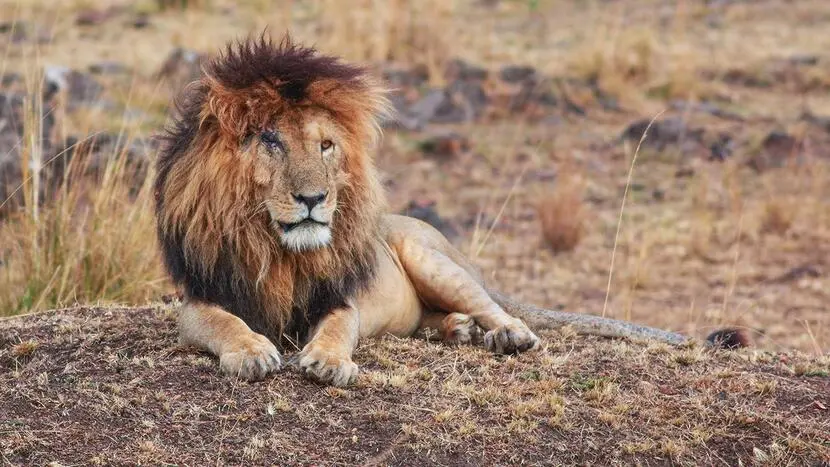
Scarface Lion of Masai Mara: The Legendary King of the Savannah
Among all the lions that have roamed Africa’s great savannahs, few have captured global attention like Scarface—the iconic male lion of the Masai Mara. Recognised instantly by the deep scar across his eye, Scarface became a symbol of resilience, dominance, and survival in the wild.
For travellers planning a safari to the Masai Mara destination, learning about Scarface adds an emotional, story-driven layer to wildlife viewing that goes far beyond checklist sightings.
Who Was Scarface the Lion?
Scarface was the dominant male lion of the legendary Marsh Pride in Masai Mara. He was part of a powerful male coalition that controlled one of the most competitive territories in the reserve—an area rich in prey, water, and rival predators.
What made Scarface exceptional was not just his physical size or strength, but his ability to survive repeated violent encounters with rival male lions. In a landscape where most male lions lose control of territory within a few years, Scarface ruled for an unusually long time.
Why Is He Called “Scarface”?
Scarface earned his name from a severe facial injury—most notably a deep scar running across his left eye. This wound was the result of brutal territorial battles, likely inflicted during fights with rival male coalitions attempting to take over his pride.
Over time, additional scars accumulated across his face and body. In the wild, such injuries often lead to infection or death. Scarface survived them all, turning his scarred appearance into a powerful symbol of endurance.
Where Was Scarface Found in the Masai Mara?
Scarface primarily lived in the Marsh Pride territory, located in the Mara Triangle region of the Masai Mara. This area is characterised by open grasslands, seasonal marshes, and abundant prey—making it one of the most contested lion territories in the reserve.
Common locations where Scarface was frequently sighted:
- Mara Triangle
- Marsh Pride territory
- Grasslands near seasonal rivers
- Migration corridors during peak season
Best Time to Spot Scarface (Historically)
Although Scarface passed away in 2021, understanding when he was most active helps explain how he became so famous among safari-goers and photographers.
- July to October: Great Migration season with intense predator activity
- Early mornings & evenings: Cooler temperatures increased lion movement
- Dry season: Short grass improved visibility
Why Is Scarface So Famous?
Scarface became globally famous for reasons that extend beyond his scars:
- He survived injuries that would have killed most lions
- He dominated prime territory far longer than average male lions
- His life was widely documented by photographers and researchers
- He symbolised strength, resilience, and leadership in the wild
- Visitors returned year after year hoping to see him still ruling
Scarface’s Legacy in the Masai Mara
Even after his death, Scarface’s influence remains strong in the Masai Mara. His descendants and successor coalitions continue to occupy parts of his former territory, and guides still share stories of his legendary battles during game drives.
Many travellers combine wildlife storytelling with immersive experiences like a Private Jeep Safari or a Hot Air Balloon Safari to better understand the landscapes Scarface once ruled.
Final Thoughts
Scarface was more than just a lion—he was a living legend shaped by scars, survival, and strength. Visiting the Masai Mara today means stepping into a land where one of Africa’s greatest lions once ruled against impossible odds.
If you are planning your safari from India, explore our curated Masai Mara Packages from India to experience these legendary landscapes with expert-guided insight.