
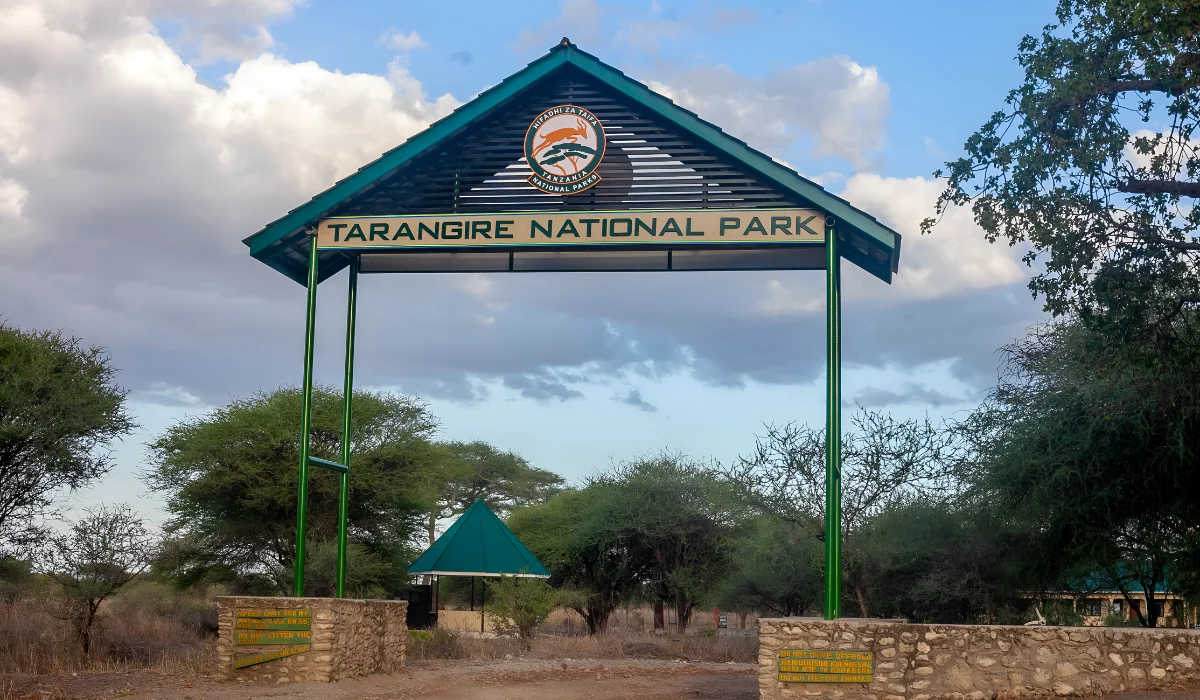
Tarangire National Park Safari Guide (2026): Elephants, Baobabs & Best Time
Tarangire National Park is one of the most underrated safari destinations in Tanzania. Many travellers hear about Serengeti first, then Ngorongoro Crater, then Zanzibar. Tarangire often appears as a short stop on the way to the bigger names. That is a mistake. For Indian travellers planning a Tanzania safari in 2026, Tarangire can be one of the most rewarding parts of the journey, especially if elephants, baobab landscapes and quieter safari drives matter to you.
Tarangire is famous for two things: elephants and baobab trees. During the dry season, large numbers of animals gather around the Tarangire River, turning the park into one of northern Tanzania's most productive wildlife areas. The scenery is also completely different from Serengeti — instead of endless open plains, Tarangire gives you woodland, river valleys, dry-season dust, huge baobabs, elephant families, giraffes, buffaloes, antelope and a slower, earthier safari feeling.
For Indian families, honeymooners and luxury travellers, Tarangire works especially well at the beginning of a Tanzania safari. It is closer to Arusha than Serengeti, easier to reach after arrival, and gentler as a first safari experience. For broader route planning, read our Tanzania destination.
Why Visit Tarangire National Park in 2026?
Tarangire is the park that adds texture to a Tanzania safari. Serengeti gives scale. Ngorongoro gives concentrated wildlife. Zanzibar gives beaches. Tarangire gives elephants, baobabs, river landscapes and a quieter northern circuit safari atmosphere.
The park is especially valuable because it feels different. The baobab trees give the landscape an ancient character. The elephant herds create memorable family-group sightings. The Tarangire River acts as a dry-season lifeline, drawing animals from the surrounding ecosystem. The park can also feel less crowded than Serengeti and Ngorongoro, especially when you stay deeper inside the park rather than visiting only as a quick day stop.
For first-time safari travellers from India, Tarangire is an excellent opening chapter. The drive from Arusha is manageable, sightings can be strong, and the park helps travellers adjust to the safari rhythm before longer journeys toward Ngorongoro and Serengeti. It is also one of the best parks for families because elephants are often easier for children to understand and enjoy — watching elephant calves, matriarchs and family groups interact can be more emotionally accessible than waiting long periods for elusive predators.
Where Is Tarangire National Park?
Tarangire National Park is in northern Tanzania, southwest of Arusha, forming part of the country's popular northern safari circuit. TANAPA places Tarangire about 120 km southwest of Arusha, making it one of the easier major parks to reach at the beginning of a Tanzania safari. The usual route for Indian travellers is:
India → Kilimanjaro International Airport → Arusha → Tarangire → Ngorongoro → Serengeti → Zanzibar
This flow works well because Tarangire sits naturally between Arusha and the deeper safari circuit. Travellers can land in Tanzania, rest one night in Arusha, then begin the safari with Tarangire before moving toward Ngorongoro. For shorter trips, Tarangire can be included as a one or two-night stay. For better wildlife depth, two nights is strongly preferred.
Best Time to Visit Tarangire National Park
June to October — Best Wildlife Season
June to October is the classic dry season and the strongest period for Tarangire wildlife viewing. As water becomes limited across the wider landscape, animals gather around the Tarangire River and other remaining water sources, creating excellent opportunities to see elephants, buffaloes, giraffes, zebras, wildebeest and antelope.
This is the period when Tarangire feels most dramatic — the land is drier, the wildlife is more concentrated and visibility is stronger because vegetation is less dense. For Indian travellers doing a first Tanzania safari, this is usually the safest recommendation. August, September and early October can be especially rewarding for elephant sightings and dry-season safari atmosphere.
November to December — Green Return and Fewer Crowds
November and December can bring short rains, changing the landscape from dry gold to fresh green. Wildlife may begin dispersing more widely, but the park can still be beautiful. This period is useful for travellers who want fewer crowds and do not need peak dry-season concentration. It can pair well with a December Tanzania and Zanzibar holiday, though festive-season pricing should be considered.
January to March — Green Season and Birdlife
January to March can be visually attractive, with greener scenery and good birdlife. Some wildlife may be more dispersed than during the dry season, but the park remains rewarding when included as part of a broader northern Tanzania itinerary. This period can work well before or after Southern Serengeti and Ndutu calving-season safaris.
April to May — Long Rains
April and May are usually less ideal for first-time luxury travellers because of the long rains. Landscapes can be lush, but road conditions and safari comfort may vary. Some lodges may also adjust operations during this period. For most Indian families and honeymooners, June to October or December to February is a better choice.
Tarangire Wildlife: What Can You See?
Elephants
Elephants are the main reason many travellers fall in love with Tarangire. The elephant experience here is not only about numbers — it is about behaviour. You may see family groups moving together, calves staying close to mothers, matriarchs leading herds, elephants feeding near baobabs or crossing dusty tracks in warm afternoon light. For families, this is one of the most engaging safari experiences in Tanzania. Children often connect strongly with elephant behaviour because it is visible, social and easy to understand.
Baobab Landscapes
Tarangire's baobab trees are part of its identity. Their massive trunks, unusual shapes and ancient appearance give the park a visual style unlike Serengeti or Ngorongoro. Photographers love Tarangire because elephants and baobabs together create classic East African safari frames. The trees also give the landscape scale — a vehicle passing under a baobab or an elephant feeding nearby can make the scene feel timeless.
Lions and Predators
Tarangire has predators, including lions, leopards, cheetahs in some areas and hyenas. It is not usually as famous for big cats as Serengeti, but predator sightings are possible, especially when prey animals concentrate in the dry season. Do not choose Tarangire only for predators — choose it for elephants, landscapes and dry-season wildlife concentration, with predators as an added bonus.
Giraffes, Zebras and Buffaloes
Giraffes are commonly seen in Tarangire, often moving through woodland or standing against baobab-filled backdrops. Zebras and buffaloes are also frequently part of the dry-season safari experience.
Antelope and Plains Game
Tarangire supports a variety of antelope and plains game, including impalas, waterbucks, wildebeest and other grazing species depending on season and area.
Birdlife
Tarangire is excellent for birdwatching, especially in the green season. Even non-birders often enjoy the colour and variety of species around riverine areas, wetlands and woodland zones.
The Tarangire River: Why It Matters
The Tarangire River is the park's lifeline. During the dry season, it becomes one of the most important water sources in the region, drawing wildlife from the surrounding ecosystem. This is why Tarangire changes so dramatically by season — in the wet season, animals may disperse into wider areas because water and grazing are more available; in the dry season, the river pulls wildlife back into the park, making game viewing more concentrated.
For travellers, this means the dry season is not simply about good weather. It directly affects animal movement and safari quality. A good Tarangire itinerary should give time near river systems and wildlife corridors rather than treating the park as a quick drive-through.
How Many Days Do You Need in Tarangire?
- One Day: A day trip or one-night stop is possible on a short Tanzania itinerary. It gives you a taste of elephants and baobab scenery, but it can feel rushed.
- Two Nights: Two nights is the best practical recommendation for most Indian travellers. It allows an afternoon game drive, a full safari day and a more relaxed departure toward Ngorongoro.
- Three Nights: Three nights are excellent for travellers who want a slower safari, photographers, families or guests staying in a luxury lodge deeper in the park.
For most Tanzania safari packages from India, Tarangire works best as a two-night start before Ngorongoro and Serengeti.
Tarangire vs Serengeti
Tarangire and Serengeti should not be treated as substitutes. They are different. Serengeti is better for open plains, big cats, migration movement and the classic large-scale safari feeling — it deserves at least three nights in most itineraries. Tarangire is better for elephants, baobab landscapes, dry-season river wildlife and a quieter opening safari experience, and works best as a first or second safari stop.
If you have enough time, include both. If your safari is very short, Serengeti and Ngorongoro usually take priority. But for a balanced Tanzania itinerary, Tarangire adds variety that Serengeti cannot replace.
Tarangire vs Lake Manyara
Tarangire is usually the stronger safari choice for wildlife. It has better elephant viewing, stronger dry-season concentration and a more dramatic safari identity. Lake Manyara is more scenic and compact — offering Rift Valley views, forest, lake landscapes, birdlife and occasional tree-climbing lion associations — but it rarely replaces Tarangire for serious safari value.
For Indian travellers choosing between the two, Tarangire should usually come first unless the itinerary is specifically designed around Lake Manyara scenery or logistics.
Best Lodges in and Around Tarangire
Tarangire has a range of lodges and camps, from practical safari stays to high-end properties with dramatic views. Luxury travellers should prioritise location — staying inside or close to the park improves the safari rhythm because you avoid unnecessary transfer time. For families, choose a lodge with comfortable rooms, flexible meals, pool access and safe common areas. For honeymooners, choose a more intimate camp with views, privacy and good dining. For photographers, choose a stay that allows strong early morning and late afternoon safari access.
In 2026, Tarangire luxury stays can vary widely in price depending on season and lodge category. The best lodge is not always the most expensive — it is the one that fits your route, season and travel style.
Tarangire Safari Cost in 2026
Tarangire cost depends on the package level, lodge type, vehicle arrangement and whether it is part of a larger Tanzania itinerary. As a practical 2026 planning range:
Premium Mid-Range Tarangire Safari
Approximate cost: USD 500–800 per person per safari day
This usually includes good lodges, meals, park fees, guide and safari vehicle arrangements
as part of a larger package.
Luxury Tarangire Safari
Approximate cost: USD 900–1,500 per person per safari day
This includes better lodges, private vehicle arrangements, stronger service, better room
categories and smoother logistics.
Ultra-Luxury Tarangire Safari
Approximate cost: USD 1,600+ per person per safari day
This may include high-end lodges, private guiding, premium rooms, exclusive experiences
and fly-in or customised routing. Tarangire is usually more cost-efficient than Serengeti
when compared day by day, but final package pricing depends on the full itinerary.
How to Reach Tarangire from India
Indian travellers usually fly to Tanzania through hubs such as Dubai, Doha, Addis Ababa or Nairobi. The best arrival airport for Tarangire is Kilimanjaro International Airport, followed by a road transfer to Arusha and then Tarangire. Most itineraries include one night in Arusha before safari begins — this is sensible because flights from India can be long and tiring.
From Arusha, Tarangire is reached by road. The drive is manageable compared with longer transfers to Serengeti, making it an ideal first safari destination. For luxury travellers, Tarangire can also be included in fly-in or semi-fly-in itineraries, though road access from Arusha remains common.
Food and Indian Dietary Requirements
Most good lodges around Tarangire can arrange vegetarian meals with advance notice. Jain, vegan, no-onion/no-garlic and child-specific food should be communicated at the booking stage. Safari lodges plan supplies in advance, especially in remote areas, and last-minute dietary requests may be difficult. Indian travellers should be clear about what vegetarian means, because interpretations can vary internationally. For families, share children's meal preferences early. For honeymooners, private dining or special dinner setups may be possible at luxury lodges.
What to Pack for Tarangire Safari
Pack neutral-coloured clothes, sunglasses, sunscreen, a hat, comfortable shoes, a light jacket for early mornings, binoculars, camera gear, insect repellent, medication and travel documents. Tarangire can feel dusty during the dry season, so avoid delicate white clothing — neutral shades such as khaki, beige, olive and brown are more practical. If your itinerary includes internal flights later, pack in soft-sided luggage rather than large hard suitcases. For photography, bring a zoom lens — elephants and baobab landscapes are some of the best photographic opportunities in the park.
Common Mistakes to Avoid
- Treating Tarangire as Only a Quick Stop: Tarangire deserves more than a rushed drive-through. Two nights create a much better experience.
- Visiting in the Wrong Season Without Adjusting Expectations: Dry season is best for wildlife concentration. Green season can be beautiful but more dispersed.
- Comparing It Directly with Serengeti: Tarangire is not Serengeti. Its value is elephants, baobabs and dry-season river wildlife.
- Choosing a Poorly Located Lodge: A lodge too far from the park can reduce game-drive quality. Location matters.
- Not Planning Food Requirements: Vegetarian and Jain meals should be communicated before arrival, not on the day.
- Overloading the Itinerary: Do not include Tarangire, Lake Manyara, Ngorongoro and Serengeti too quickly. Safari needs breathing room.
Why Plan Tarangire Safari with Luxury Unlocked?
Luxury Unlocked helps Indian travellers design Tanzania safari itineraries that include Tarangire in the right way. We do not add it as a filler stop — we match Tarangire with Ngorongoro, Serengeti and Zanzibar based on season, budget, travel style and group needs. Our specialists help select the right lodge, route, number of nights, private vehicle, internal flights, vegetarian meals, honeymoon experiences and family-friendly pacing.
Whether you want a family safari, luxury honeymoon, elephant-focused journey or full Tanzania safari and Zanzibar itinerary, we can design a 2026 route that uses Tarangire properly. Explore our Tanzania safari packages from India or contact Luxury Unlocked to plan your private Tarangire, Ngorongoro, Serengeti and Zanzibar journey.